
No Matter How You Get There: Finding My Way Back to the Woods
Updated: Jan 21
How the Woods Pulled Me Back — and Why I Want Everyone to Get There.
Life doesn’t always go the way you plan. One minute I’m a kid who grew up loving hunting and the outdoors in PA, the next I’m lying in a hospital bed because a dive into a lake in 1999 left me with a spinal cord injury that changed everything.
I broke my neck at the C4-C5 level and suddenly I was living life from a wheelchair — quadriplegic. Doctors told me I’d never walk again. I wouldn’t have the same strength in my arms, or the use of my hands.
That was hard to hear. But looking back, it was just the beginning of a different kind of journey.
I spent weeks in intensive care on a ventilator before being transferred to Shepherd Center in Atlanta, Georgia — a place known for spinal cord rehabilitation.
They threw everything at me: physical therapy, occupational therapy, assistive technology, and more than a few “you’ve got this” moments.
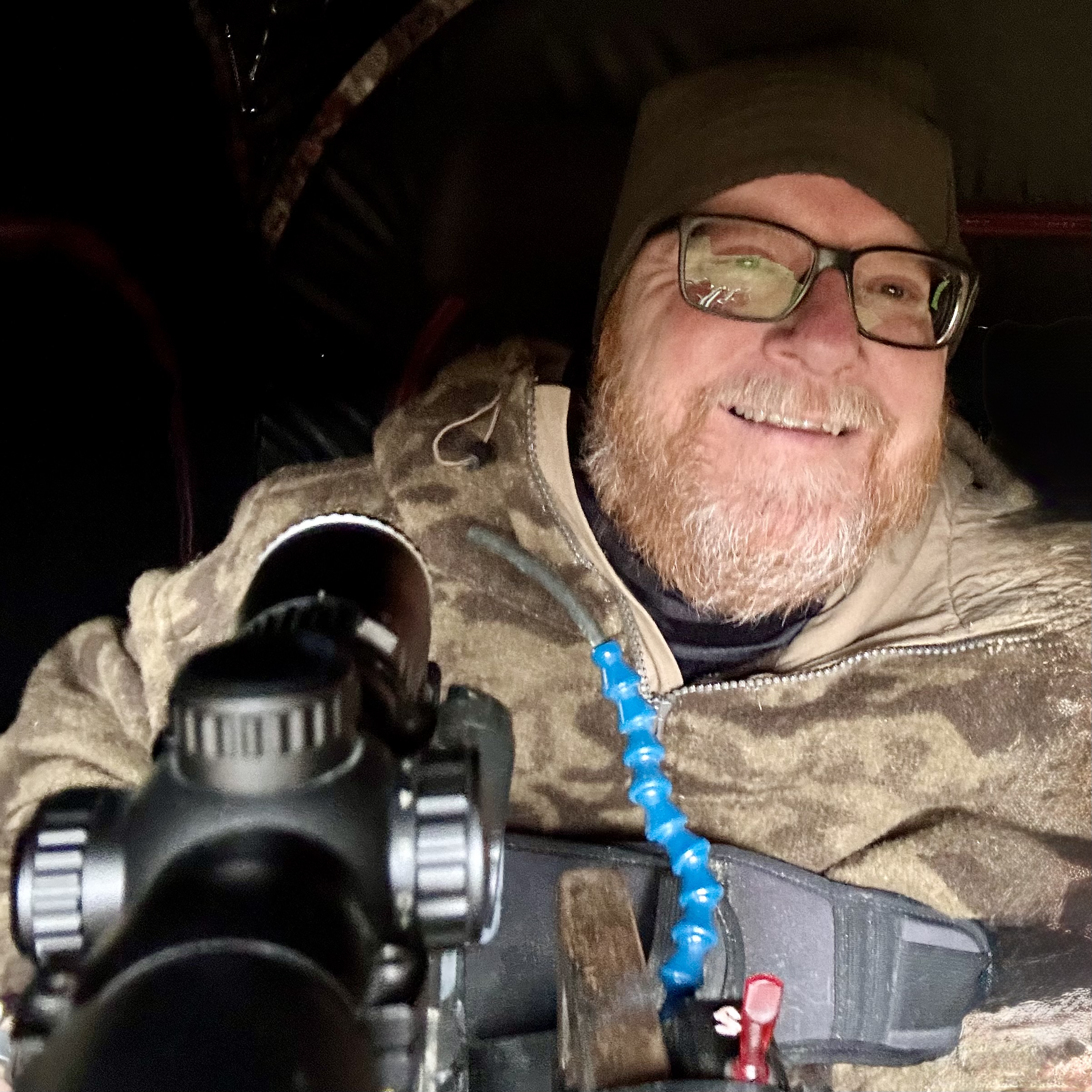
In the middle of all that, a recreational therapist learned I used to bow hunt. One day they wheeled me into a gymnasium and set up an adaptive shooting station.
It was an air rifle with a BMF trigger activator — a hand-crank device that lets someone pull the trigger without finger strength. That moment didn’t just make me shoot again — it made me believe again.
That was a turning point. Not because it fixed everything, but because it reminded me who I was beneath the injury: a hunter who loved being in the woods.
After rehab, I moved back to PA and took several years to get stronger and ready to do something.
I went back to school and earned a master’s degree in Rehabilitation Counseling and Assistive Technology from the University of Pittsburgh. I wanted to understand disability from every angle — clinical, practical, emotional — and help others navigate their world with purpose and tools that work.
Around 2010, I started Accessible Hunter as a simple blog — a place to share what I’d learned about adaptive hunting gear, accessible techniques, and just staying in the fight to get outside.
Over the years that blog became a Facebook page full of stories, questions, photos, and people helping each other get back to the woods.
It’s simple stuff — real life, real struggles — and a bunch of us are figuring it out together.
One thing I always say — and I really mean it — is: no matter how you get there, GET THERE. That’s the tagline of Accessible Hunter for a reason. For some people that’s a track chair. For others it’s a friend who loads gear.
For me it’s a lifetime of figuring out adaptive triggers, ground blinds that fit a power wheelchair, and the extra stubbornness to never quit trying. But getting there — in whatever way works — is what matters.
A few years back I started the Accessible Hunter Podcast with my co-host Mike Hudson. We talk about gear, accessible hunting, personal stories, and all the things that make getting outside worth it.
We laugh, we get honest about hard stuff, and we remind each other why we love this life — even when it’s complicated.
Here’s the real truth: living with a disability doesn’t mean you give up. It doesn’t mean your passions stop existing. It means you find a way to make them fit your life now.
Assistive technology — from adaptive triggers to specialized mobility gear — doesn’t just help us participate, it levels the playing field and makes the outdoors feel like home again.
Most of all, I want people — with or without a disability — to know this: if you love something, find a way to keep it in your life.
Figure it out, get help, try different tools, and don’t let anyone tell you that you can’t. Getting back in the woods wasn’t the easiest thing I ever did. But it’s one of the most important.
So if you’re reading this and wrestling with your own “how” — take a breath. You’ll find your way. No matter how you get there — get there.
— Greg (Accessible Hunter)


fnf mods is a fantastic place for music game fans, with catchy songs, exciting battles, and creative mods. Come and test your rhythm skills while enjoying endless fun!
People sometimes spend a lot of time searching for the correct ration card application portal. A useful information website can simplify this task by explaining the general process and directing readers to the appropriate official department. It can also describe how to prepare documents and review personal details before submitting a form. These bihar ration card practical suggestions are valuable for first-time applicants. Clear information helps visitors understand the process better and reduces the likelihood of making avoidable mistakes during an online application.
This is a touching and inspiring story, and fnf mods is a great place to enjoy fun, creative, and exciting music games!
Starting with a new game can feel confusing when its features are unfamiliar. Having a guide that explains the basics makes everything easier to understand. I like articles that explain important points one by one without assuming the reader already knows everything. That raxi win register kind of writing makes gaming information accessible to a wider audience. This post provides a useful introduction and gives newcomers a place to begin their research. More beginner-focused tutorials covering navigation, settings, and troubleshooting would be a great addition.
Anyone interested in punjabishayari can find plenty of interesting expressions in this type of collection. I liked the variety of moods because poetry can be useful for many different situations. Whether someone wants a romantic thought, emotional line, or confident caption, Punjabi words offer many possibilities. The simple style makes everything easy to understand and share. This is the kind of content that can provide inspiration whenever you need a meaningful Punjabi expression.